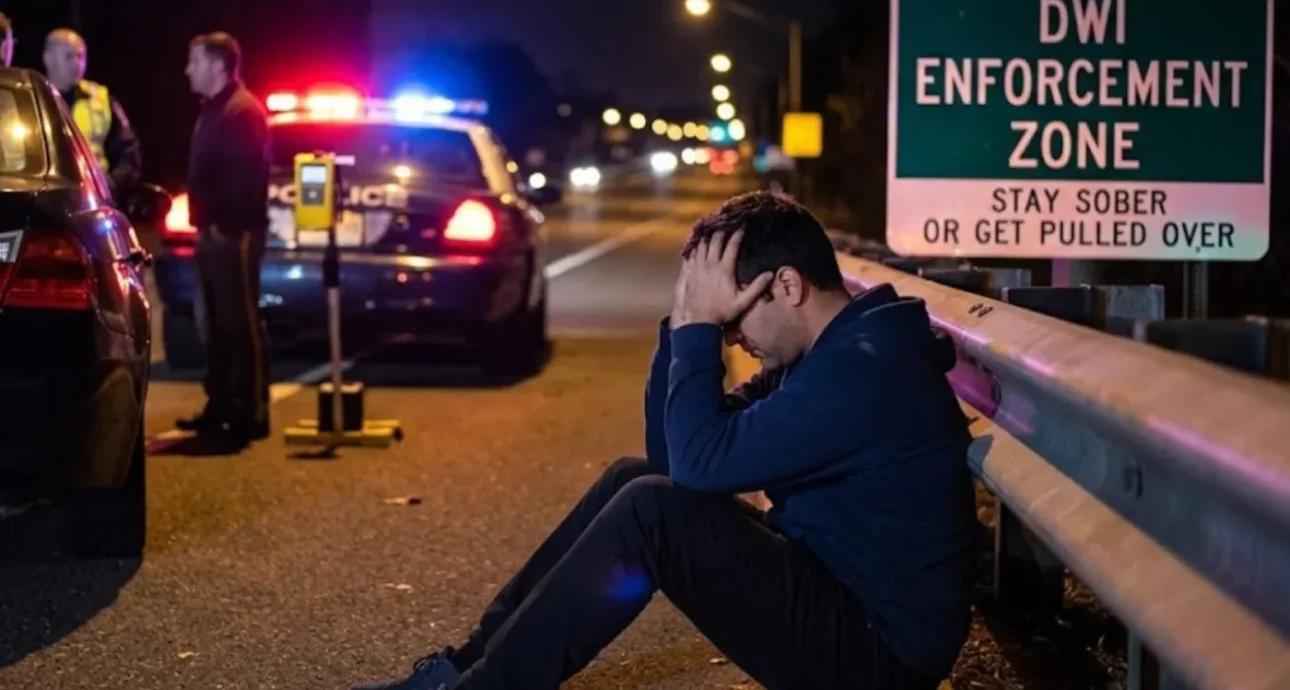
A first-offense DWI arrest can create uncertainty about hearings, license restrictions, fines, and legal procedures. Outcomes may depend on blood alcohol level, refusal allegations, and prior driving history.
Early deadlines and required steps can affect how the matter moves through the municipal court and related penalties. Understanding the process from arrest to resolution helps individuals prepare for possible consequences and informed decisions. New Jersey Criminal Defense Attorney provides guidance on navigating each stage of the legal process.
Immediate Steps After a First DWI Arrest
The legal process usually begins quickly. Drivers may be booked, identified, and either released or held briefly depending on the circumstances.
A summons or notice for municipal court is often issued, outlining the next legal steps. Understanding the immediate aftermath of a DWI arrest can help drivers prepare for what follows.
Common early developments may include:
- Booking or release
- Court summons issuance
- Temporary driving concerns
- Evidence and report collection
During the first few days, drivers often begin dealing with paperwork, court scheduling, and questions about license-related consequences.
How a DWI Case Starts in Court
After a DWI arrest, most first-offense cases begin in municipal court, where the legal process formally starts. The first appearance often focuses on scheduling, reviewing charges, and addressing procedural matters before the case moves forward. The court may also set deadlines for evidence review and future hearings.
Common early court steps may include:
- Review of formal charges
- Scheduling future court dates
- Discovery or evidence exchange
- Motion review or legal issues
- Plea discussions or trial preparation
Understanding these municipal court steps can help drivers prepare for what to expect as the case progresses.
What Police and Prosecutors Review After the Arrest
After a DWI arrest, police officers and prosecutors typically review key evidence before the case moves further in municipal court. In many first offense DWI cases, the strength of the prosecution often depends on whether procedures were properly followed and whether the evidence supports the charge under N.J.S.A. 39:4-50.
Common records reviewed may include:
- Breath or blood alcohol test results
- Dashcam or bodycam footage
- Field sobriety test records
- Officer observations during the stop
- Statements made after the arrest
Any issues involving testing accuracy, reporting, or legal procedures may affect how the case develops or whether certain evidence is later challenged in court.
License Consequences and Driving Restrictions After a First DWI
A first DWI conviction can affect driving privileges in several ways, depending on blood alcohol concentration, refusal allegations, and the final court outcome. License-related penalties may continue even after court proceedings are resolved, especially in cases involving a high BAC level.
Driving-Related Factor | Possible Consequence |
BAC level at arrest | Restrictions or penalties may vary based on alcohol concentration |
Ignition interlock requirement | Device installation may be required for a set period |
License suspension | Driving privileges may be limited or temporarily suspended |
Refusal of chemical testing | Additional penalties or restrictions may apply |
IDRC requirements | Mandatory education or treatment programs may be required |
Understanding these penalties and restrictions early may help drivers prepare for what follows, and some people find it helpful to speak with an attorney who can address their situation.
Penalties That May Follow a First-Offense DWI in NJ
A first-offense DWI can lead to financial, legal, and long-term driving consequences depending on the facts of the case. Penalties may vary based on blood alcohol concentration, allegations of refusal, and court findings.
According to the New Jersey Motor Vehicle Commission’s DWI penalties guidance, consequences can extend beyond fines and may continue after the case is resolved.
Common penalties may include:
- Court fines and related costs
- Insurance surcharges and added fees
- Possible jail exposure in certain cases
- Ignition interlock requirements
- Mandatory IDRC education or treatment programs
- Ongoing license-related restrictions or restoration requirements
Understanding these penalties early can help drivers know what to expect after a first DWI charge.
Evidence Issues That May Affect the Case
Evidence issues can directly affect how a DWI case moves forward. Defense review often focuses on whether the stop, testing, and arrest procedures were handled properly.
Common evidence issues may include:
- Legality of the traffic stop
- Breath test accuracy and calibration
- Police procedures during arrest
- Dashcam or bodycam footage
- Officer testimony consistency
- Statements made after arrest or breath test refusal issues
Problems involving evidence, testing, or procedure may affect whether certain evidence can be challenged in court.
How a First DWI Case Moves Forward
A first DWI case can take weeks or months, depending on court scheduling, evidence review, motions, and whether the case is resolved through plea discussions or trial. Even after the case ends, drivers may still face insurance increases, license-related requirements, and other lasting consequences.
If you are dealing with a DWI first offense charge, speaking with New Jersey Criminal Defense Attorneys may help you better understand your options. Call (973) 542-9292 or visit our Contact Us page to discuss your case.
FAQs
Is a first-offense DWI considered a criminal conviction?
DWI is generally treated as a traffic-related offense rather than a traditional criminal conviction. Even so, a first offense can still carry serious consequences, including fines, license restrictions, ignition interlock requirements, and court-ordered programs. Because the penalties can affect driving privileges and future records, many drivers still treat these cases seriously.
Can I get my license back sooner using an Ignition Interlock Device (IID)?
An ignition interlock device may allow a driver to continue driving under restricted conditions rather than face longer suspension-related consequences. Eligibility can depend on blood alcohol concentration, allegations of refusal, and court findings. Drivers often review these requirements carefully because IID obligations may continue even after the main court case ends.
Is jail time mandatory for a first offense?
Jail time is not always mandatory in every first-offense DWI case, but it may still be possible depending on the facts and aggravating circumstances. Courts may consider factors such as blood alcohol concentration, refusal issues, or compliance with legal requirements. Evidence, such as field sobriety test results, may also be reviewed when evaluating the case and possible penalties.
What is the Intoxicated Driver Resource Center (IDRC)?
The Intoxicated Driver Resource Center (IDRC) is a required education and evaluation program for many drivers convicted of DWI-related offenses in the state. It may involve alcohol education, screening, and recommendations for treatment when needed. Attendance and compliance can affect whether a driver fully satisfies court-related obligations tied to the DWI case.
Can I expunge a DWI conviction?
DWI is generally not treated as a criminal conviction, but it is also not typically eligible for expungement, unlike certain criminal records. A DWI may remain part of a driver’s history and can affect future penalties if another offense occurs. Because these rules can be complex, drivers often review their legal options carefully.