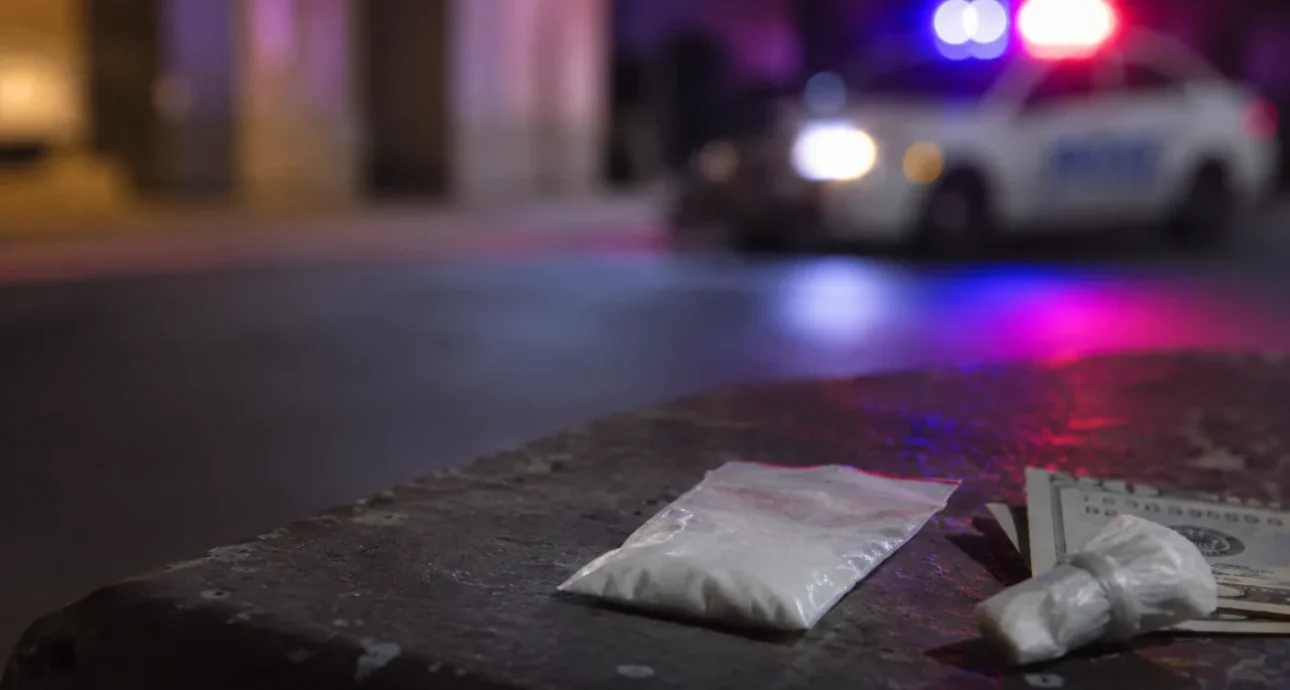
Drug distribution charges often turn on proof of intent, not just possession. A person may still face allegations without a completed sale if the surrounding facts suggest a transfer, sales activity, or preparation for distribution.
The evidence needed to prove drug distribution cases often includes police observations, seized items, lab testing, and communication records. New Jersey Criminal Defense Attorneys reviews whether prosecutors are relying on a pattern of facts that suggests commercial handling rather than personal use.
How Prosecutors Prove Intent In Drug Cases
Intent is often the dividing line between possession and distribution allegations. Prosecutors may argue that quantity, packaging, and behavior all point to an unlawful plan to transfer drugs rather than keep them for personal use.
For drug distribution charges, the state does not always need a completed handoff if the facts support intent to distribute. Under N.J.S.A. 2C:35-5, the focus is on whether the defendant knowingly or purposely distributed, or possessed with intent to distribute, a controlled dangerous substance.
Common Indicators Prosecutors Review Closely
Prosecutors often look for patterns that suggest commercial activity. In what evidence do prosecutors need for drug charges, the answer is usually a combination of facts rather than one isolated item.
Similar issues often appear in drug cases when investigators connect physical evidence, communications, and surrounding conduct to support intent.
Common indicators include:
- Large quantities inconsistent with personal use
- Repeated packaging materials
- Digital communications suggesting sales
- Hidden storage areas
- Cash patterns tied to transactions
These factors may help connect possession to an alleged distribution purpose and strengthen the prosecution’s overall theory.
What Physical Evidence May Show In Court
Physical evidence often becomes the backbone of a distribution case. Prosecutors may point to seized drugs, packaging tools, currency, or storage locations as proof of preparation or movement consistent with sales.
Related issues often appear in intent-to-distribute cases, where physical items help support allegations beyond simple possession.
Common physical proof includes:
- Drugs are divided into multiple containers
- Scales or measuring tools
- Ledgers or written transaction notes
- Currency bundles
- Packaging residue
- Vehicle or property storage evidence
This evidence may help connect possession to alleged intent. Laboratory confirmation may also affect classification and weight issues under NJ 2C:35 drug laws penalties.
Digital Records Prosecutors Review In Drug Cases
Phones, apps, and financial records can strengthen a prosecutor’s case. Messages, payment histories, call patterns, and location data may be reviewed to show repeated coordination or distribution activity.
In many evidence needed to prove drug distribution disputes, prosecutors use digital records to show patterns that may support sales rather than casual possession. That can include:
- Text exchanges
- Delivery location data
- Cash transfer records
- Contact frequency
- Social media communication
- GPS movement tied to repeated stops
Questions about search methods and digital evidence may also affect whether records can be challenged in court.
After reviewing these risks, some people find it helpful to speak with a criminal defense attorney about how these rules may apply to their situation.
Know More – Can Drug Charges Be Dropped Due to Illegal Search in New Jersey?
How Witness Testimony And Lab Testing Matter
Witnesses and experts often help connect physical evidence to the prosecution’s theory. A lab analyst may confirm the substance, while officers or civilian witnesses may explain observations tied to alleged distribution activity.
These issues may also appear in drug trafficking cases where testimony helps support intent, control, or movement.
Relevant testimony may include:
- Controlled by participants
- Surveillance officers
- Laboratory analysts
- Property owners
- Cooperating witnesses
Prosecutors often try to show consistency between testimony and physical proof. If those details do not align, the defense may challenge the strength or reliability of the case.
How Drug Penalties Are Graded Under Law
The severity of the charge usually depends on the drug type and amount. N.J.S.A. 2C:35 drug laws penalties can range from fourth-degree exposure to first-degree prison terms, with fines and parole consequences also possible.
Sentencing outcomes may also depend on broader sentencing rules used by courts when reviewing the degree, aggravating factors, and legal exposure.
Substance or Amount | Typical Grading | Common Exposure |
Heroin or cocaine, 5 ounces or more | First degree | Up to 20 years |
Heroin or cocaine, at least 1/2 ounce but under 5 ounces | Second degree | Up to 10 years |
Marijuana, at least 1 ounce but under 5 ounces | Third degree | Up to 5 years |
Marijuana, under 1 ounce | Fourth degree | Up to 18 months |
Those penalties can change based on prior record, location, and other aggravating factors.
Why Early Review Matters In Drug Cases
Drug distribution charges often depend on whether prosecutors can connect physical evidence, digital records, witness testimony, and surrounding facts to alleged intent. The key issue is whether the facts support distribution or only possession.
Early review may help identify gaps in search procedures, lab findings, or evidence interpretation that could affect case strategy. If concerns involve the strength of the evidence or whether it supports the charge, reviewing the facts with New Jersey Criminal Defense Attorneys at (973) 542 9292 or visiting our contact us page can help clarify the next legal steps.
FAQs
Can drug charges apply if drugs are found in a shared home?
Yes. Prosecutors may still bring charges if drugs are found in a shared home, but they usually need evidence connecting a specific person to possession, control, or distribution activity. That may include the location of the drugs, nearby personal belongings, fingerprints, statements, or conduct. Shared access alone does not always prove that one person knowingly possessed or controlled the substance.
Can a drug case be challenged if evidence was mishandled?
Yes. Mishandled evidence may affect the reliability of a drug case. Problems involving the chain of custody, contamination, missing records, or improper storage may raise questions about whether the evidence remained accurate and untampered. Similar issues may also arise after a drug arrest when evidence handling becomes central to prosecution review. If the evidence was not properly preserved, the defense may challenge its credibility or admissibility in court.
Can more than one person be charged in the same drug case?
Yes. Prosecutors may charge more than one person if evidence suggests multiple individuals shared control, possession, or involvement in the alleged distribution activity. This can happen in vehicles, homes, or coordinated investigations. Still, the State generally must show facts connecting each person to the conduct, rather than assuming guilt based only on presence near the drugs.
Can fingerprint or DNA evidence affect drug cases?
Yes. Fingerprint or DNA evidence may help connect a person to drugs, packaging, containers, or related items. Prosecutors may use this type of forensic evidence to support a claim of possession, handling, or control. However, it is usually reviewed alongside other facts, since fingerprint or DNA evidence alone may not always establish intent, timing, or distribution activity.